I look up at the tall sakura trees — I am the abundance of spring.
I look to the river rushing below — I flow with purpose, trusting the current.
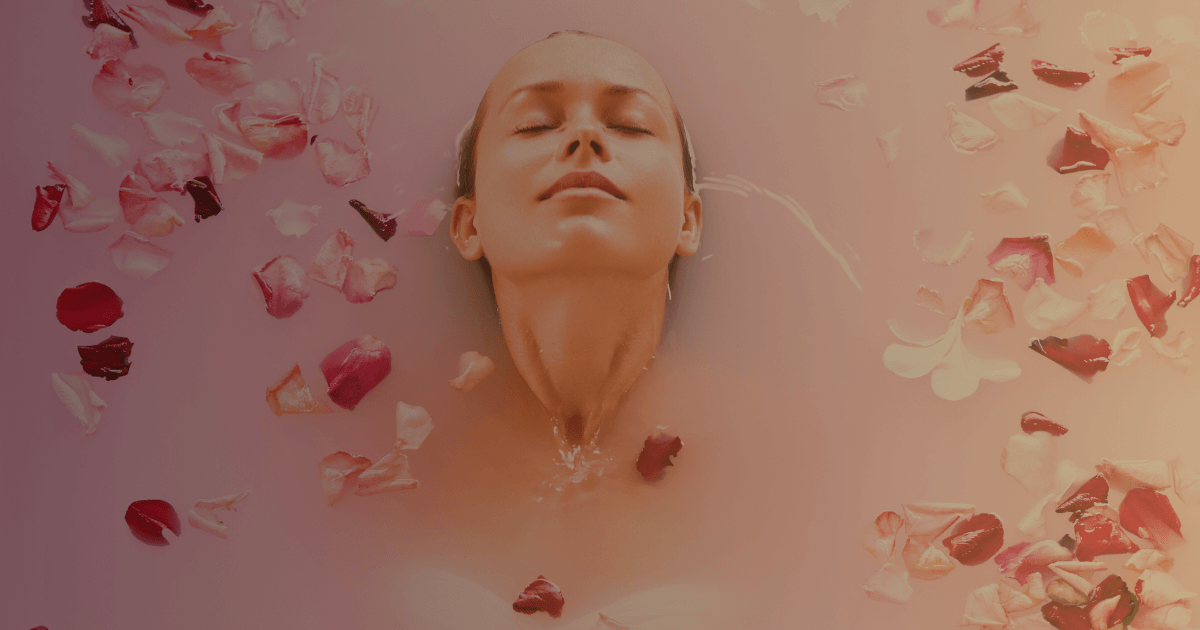
I am every single drop of the life-giving rain that touches my face.
With bare feet on the solid earth, I am reaping and sowing.
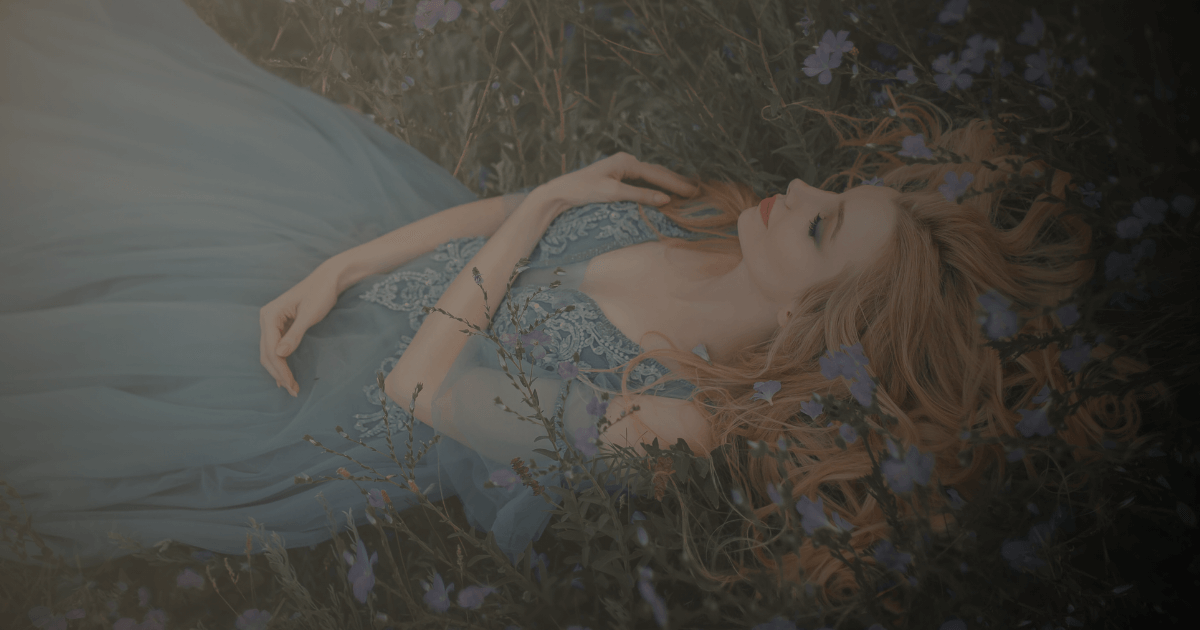
I am as free as I know myself to be.
Tao-Zen Concept Essence
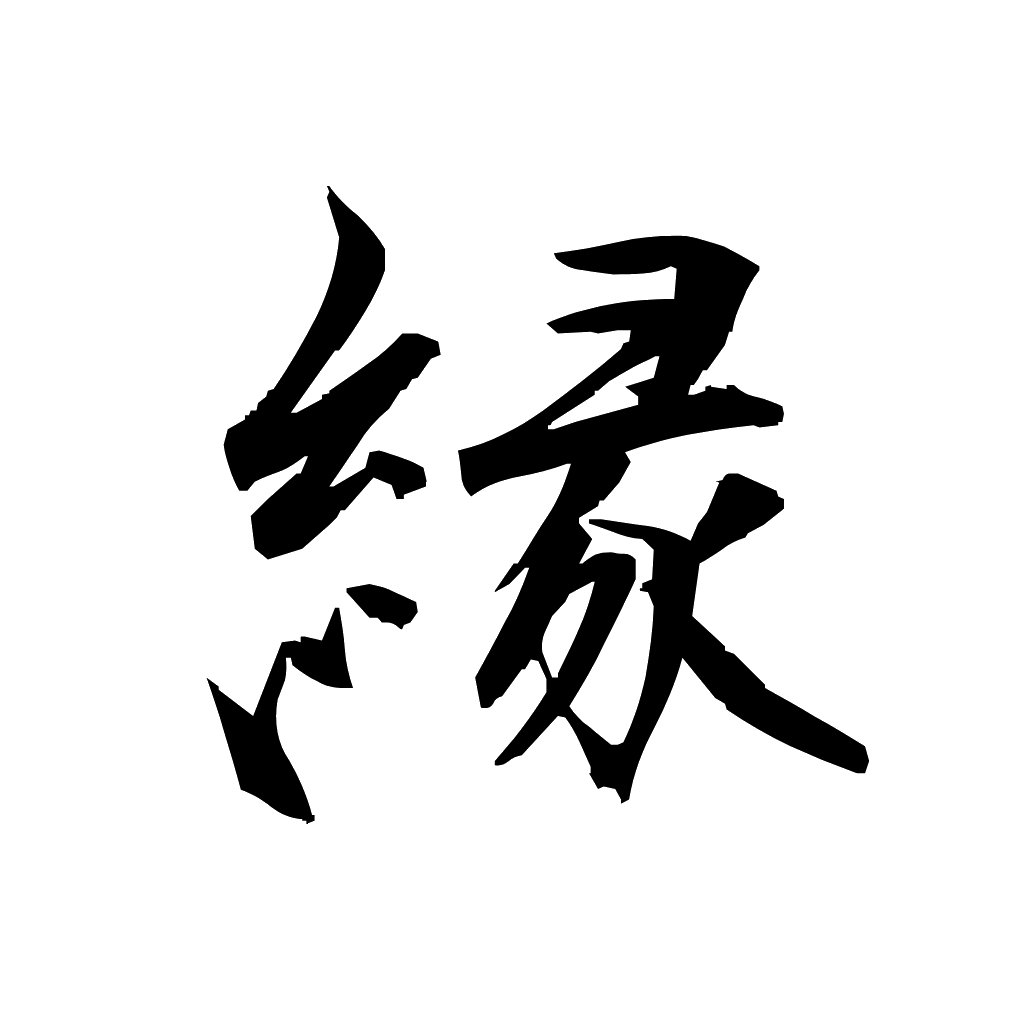
The Tao-Zen Concept draws from the Sino-Japanese culture‘s profound wisdom about the Source of all life, the luminous Taoist poetry of Li Bai and Wang Wei and the governing cosmic force of En in Japanese / Yuán in Classical Chinese, the unseen current that brings people together.
She feels the fresh growth of springtime reflecting the overflowing abundance within right back at her, the fruit of her deep focus and persistent effort.
She cherishes all the blessings she has received and all the blessings yet to come. The encounters that shape her path, the shared recognition; two radiant souls smiling at each other.
Disclaimer: The images above are embedded from Pinterest. All rights remain with the creators.
Tao-Zen Concept Characteristics
Colours
- Sage Green, Empress Brown, Rice Paper, Eternal Gold and Salmon Pink.
Styling
- A formal Japanese kimono of the Furisode tradition, made from pure silk, majestic with its graceful sculptural T-shaped structure, made for composed contemplative stillness.
- The obi of the kimono is fastened with a clasp bearing the infinite water ripple, one of the most ancient motifs of the East Asian cultural tradition.
- The Chinese Hànfú dress, its fabric, a translucent and light silk weave accompanying the body in motion creating a continuous flowing gesture.
- A classical folding fan with ink-wash landscape and a traditional oiled paper parasol with hand-painted elements of the natural world.
- These personal, intimate objects — serving as the expression of intention outward — are held lowered in her hands; a conscious act of surrender in the moment of trust.
- Fresh, natural makeup in soft earthy-petal tones rests on the lips and cheeks, allowing the well-nourished skin to breathe.
Atmospheric Elements
- Blossoming fruit trees, cool bamboo groves, faraway mist-covered mountains, alive ponds, rivers, and the sanctity of home.
- Natural asymmetry in spatial design with Ma, negative space and Kanso, simplicity.
- A Japanese multi-panelled folding screen, the golden paint representing eternal light.
- The peach is the fruit of immortality in Chinese cosmology; the surrender of the limited self into infinity that has no beginning and no end.
- The moon, the supreme symbol of the enlightened mind in Taoist-Zen thought, its purpose is to merely reflect the light, for it cannot generate it.
- Koi symbolises perseverance; it moves through resistance. Bamboo is resilience and flexibility; it bends without breaking.
- Classical Chinese paintings with Yugen, subtle profundity that leaves the meaning to the viewer’s inner knowing.
- Two red-crowned cranes together form a harmonious soul union, the bond between two beings of equivalent sensibilities to beauty and love.
- The connection is honoured with a tea ceremony (Chadō): harmony, respect, purity, and tranquillity flow back and forth towards each other.
- The matcha tea bowl, repaired with Kintsugi technique, is wholeness itself; its black lacquer the void of infinite potential and a new beginning.
Scents
- Tender cherry blossom, nectar-rich peach, silken rice water, queen-of-flowers peony, alongside hinoki wood and temple moss; earth tones serenely grounding floral abundance.
Music & Movement
- The Chinese seven-stringed zither played with nature, in solitude or in the company of one true friend; a direct communion and a shared resonance.
- The airy, wind-like bamboo flute and clear harmonic crystal singing bowls evoke the cradling warmth and serenity of the nesting birds.
- Movement is slow and peaceful, it starts from the centre, flowing out and circulating; always returning to its core.